_edited_edited.jpg)


Seafood Nations: How Korea and Portugal Celebrate the Ocean
- Rosa Gulliver

- Sep 22, 2025
- 3 min read
Rosa Gulliver of TINYGMUSIC | September 22, 2025
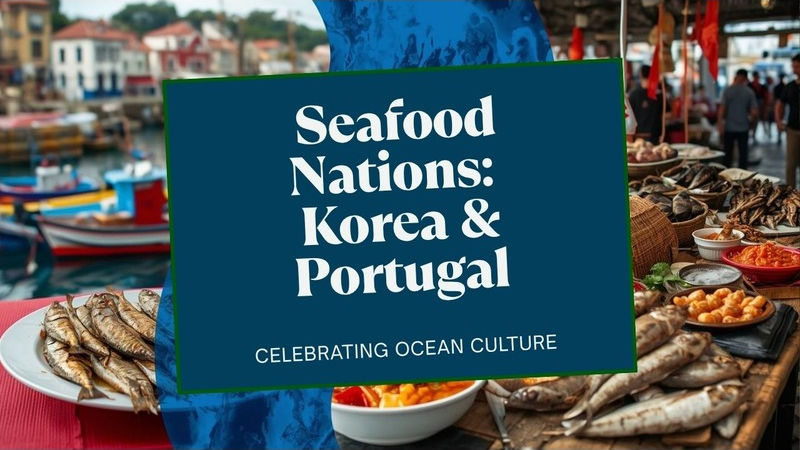
When thinking of countries bound by seafood traditions, Korea and Portugal might not immediately come to mind as a pair. But look slightly closer, and the similarities between these two ocean-loving nations run deeper than expected. From bustling fish markets to time-honoured coastal recipes, both Korea and Portugal share a profound relationship with the sea, one that continues to shape their culture, cuisine, and national identity.
Nations Bound by the Coast
Portugal, located on the western edge of Europe, has 943 kilometres of Atlantic coastline (excluding the coasts of the Azores and Madeira). Similarly, Korea is surrounded by sea on three sides, boasting over 2,400 kilometres of coastline. This access to the ocean has naturally made seafood a major part of both nations' diets.
For centuries, fishing has been a vital industry in both countries, not just economically, but culturally. Coastal communities in Busan, Mokpo, and Yeosu mirror the bustling ports of Lisbon, Setúbal, and Aveiro, where the rhythm of life still revolves around the tides. From traditional fishing methods to modern seafood festivals, the sea remains central to the national narrative.
Walk through a Korean market like the famous Jagalchi Fish Market in Busan (자갈치시장), and you will see an array of live seafood, abalone, clams, squid, mackerel, and fish of all sizes. This is mirrored at the famous Matosinhos Fish Market in Northern Portugal.
Whilst each country's dishes are prepared differently, there’s a shared love of simple, fresh seafood, often seasoned lightly to let the natural flavours shine. This culinary philosophy reflects the deep respect both cultures have for the ingredients harvested from their surrounding seas.
Seafood and Cultural Identity
In both Portugal and Korea, seafood is more than sustenance; it is symbolic of national character. For Koreans, seafood is tied to ancestral customs, family meals, and temple offerings. Seasonal dishes are often connected to traditional holidays like Chuseok and Seollal. Meanwhile, in Portugal, seafood plays a key role in Catholic traditions, such as Lent and Christmas, where cod replaces meat as a form of fasting.
Both nations have also preserved traditional seafood preparation techniques. Korea’s methods of fermenting fish and shellfish (like 젓갈 jeotgal) date back centuries, while Portugal’s long-standing tradition of drying and salting codfish (bacalhau) allowed fishermen to travel further and preserve their catch, a method developed during the Age of Exploration.
Portugal takes immense pride in its maritime cuisine and is famously said to have 365 recipes for codfish, one for every day of the year. The salted cod is often served with potatoes, olives, and eggs.
Iconic Dishes of the Deep
There are various dishes from both cultures that share similar ingredients, preparation styles, or flavour profiles. Here's a breakdown of some of those parallels:
Jjampong (짬뽕) - Spicy noodle soup with assorted seafood (clams, shrimp, squid, etc.) in chilli broth.
Arroz de Marisco - A rich seafood rice dish with prawns, clams, mussels, calamari, lobster, and crab in tomato/garlic broth topped with coriander.
Nakji Bokkeum (낙지볶음) - Stir-fried spicy octopus with vegetables in gochujang-based sauce.
Polvo à Lagareiro - Roasted octopus with olive oil, garlic, herbs, and potatoes.

Ojingeo Gui (오징어구이) - Grilled squid, sometimes stuffed or marinated with gochujang/soy-based sauces.
Lulas Recheadas - Squid stuffed with rice, sausage, and herbs, cooked in tomato sauce.
Jogaetang (조개탕) - Clear soup with clams, tofu, and green onions.
Amêijoas à Bulhão Pato - Clams in garlic, olive oil, and wine, with coriander.
Haemul Pajeon (해물파전) - Pan-fried pancake with mixed seafood and scallions.
Pataniscas de Bacalhau - Salt cod fritters, deep-fried or pan-fried.

Grilled Godeungeo (mackerel) are staples in Korean households, especially in coastal regions, whereas in Portugal, freshly grilled sardines are popular during summer festivals.
Different Waters, Shared Soul
Despite the vast distance between them, Korea and Portugal are united by a common love: the ocean. Their seafood traditions reflect centuries of coastal living, adaptation, and culinary creativity. Whether it’s a Korean grandmother preparing Haemul-Jeongol (해물 전골) for a family dinner or a Portuguese fisherman grilling sardines on the beach, the heart of both nations beats strongly by the sea.
In celebrating these shared flavours, we don’t just explore culinary similarities; we build bridges of cultural understanding. In a world where differences are often emphasised, finding common ground through food is a reminder that sometimes, we’re more alike than we think.


Comments